3 Simple supports that help neurodivergent kids feel calmer💛
Many neurodivergent children experience the world in a way that can feel overwhelming, unpredictable, and emotionally exhausting.
These supports can make a huge difference for neurodivergent kids.
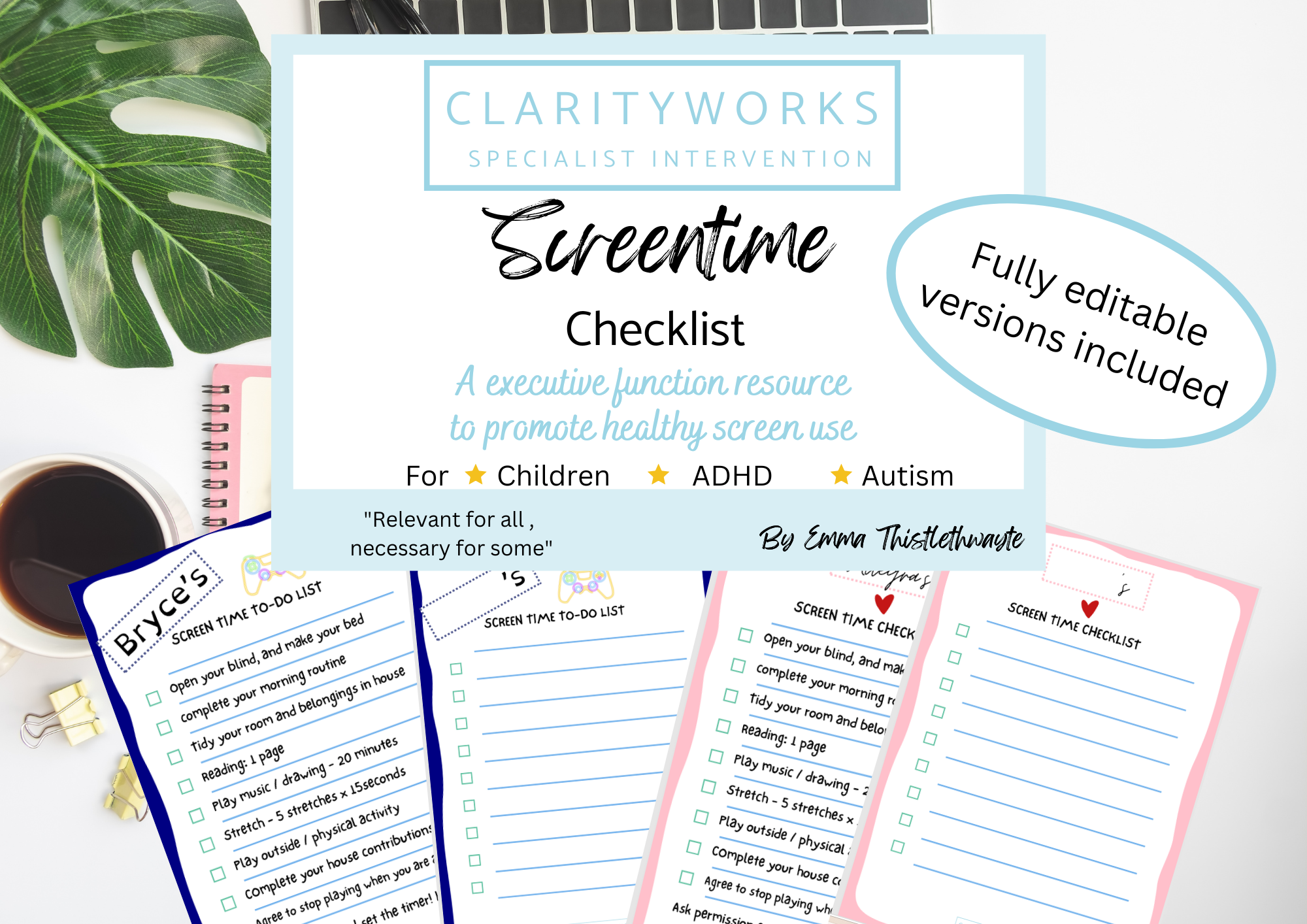
#2: Transition warnings
Help children prepare for change
"5 more minutes, then we will be packing our bags for school."

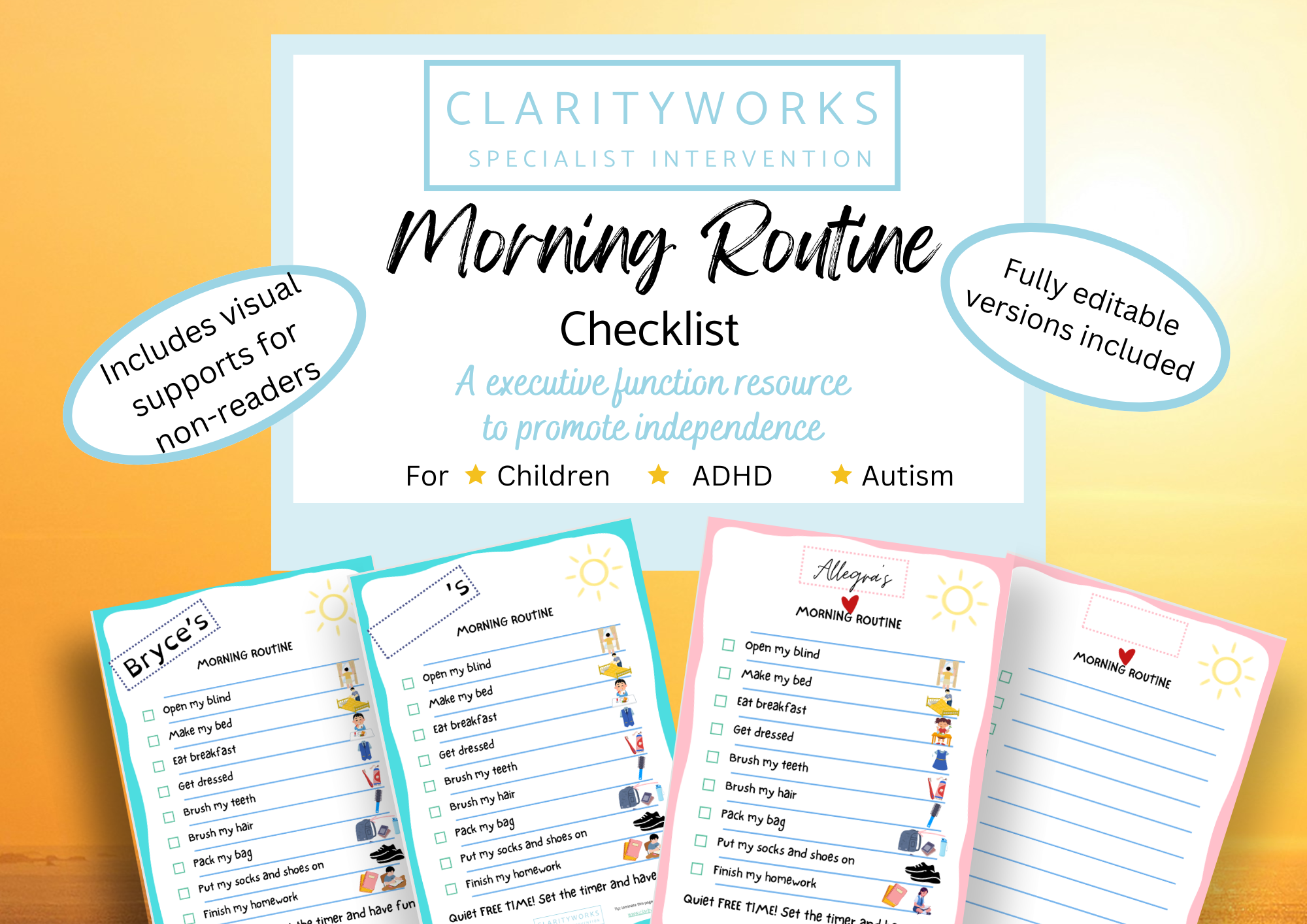
#3: Predictable routines
Support regulation and emotional safety
See my range of routines and checklists here
These supports can help reduce anxiety, lower stress, and create a greater sense of safety and regulation for neurodivergent children. They are NOT about lowering expectations or creating dependence.
They help children conserve emotional and cognitive energy so they can cope, participate, learn, and thrive more successfully at home and school.
Sometimes the smallest adjustments create the biggest sense of calm and safety 💛
I’m currently developing practical resources for parents and teachers supporting neurodivergent children.
If you’d like to help shape these resources, you can complete the short parent survey below.
Share the Love!
Share these survey links to make a real difference 💛
Feel confident supporting your child’s learning — with simple, expert-backed tips delivered to your inbox.
Why your voice matters
Too many neurodivergent learners are:
- Working much harder than their classmates
- Feeling misunderstood or “behind”
- Missing supports that could help them succeed
Your answers will help us understand:
-
What is actually working at school
-
Where the biggest struggles are
-
What resources, tools, and strategies would help most
The more we learn from you, the better we can design practical support for students who learn differently.